Bridging the Gap: How to Bring Solar Lighting Into Your Smart Home Ecosystem
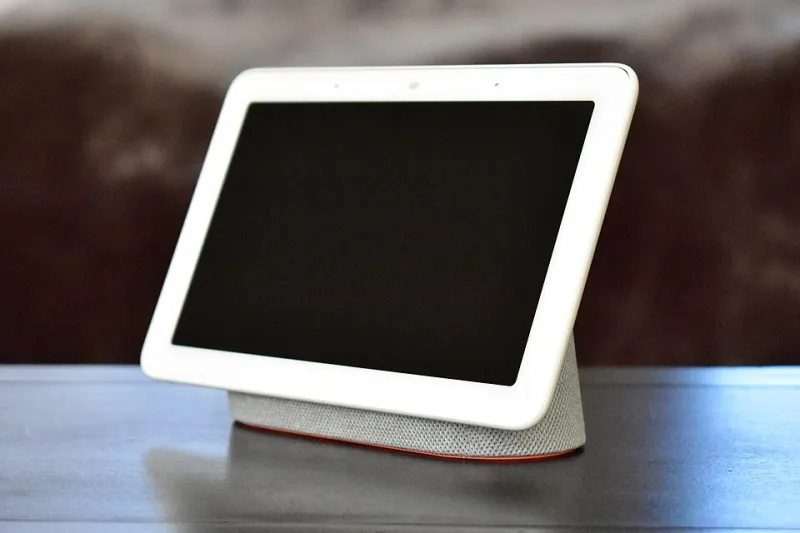
Photo: Y2kcrazyjoker4, CC BY-SA 4.0, via Wikimedia Commons
Smart home platforms have matured considerably over the past several years, yet one category of device consistently lags behind in seamless integration: solar-powered outdoor lighting. The reasons are not mysterious. Solar fixtures operate on self-contained power cycles, communicate through a patchwork of wireless protocols, and are frequently purchased without any thought given to ecosystem compatibility. The result is a home where the interior lights respond to voice commands and scheduled automations while the outdoor solar array remains stubbornly manual.
This guide addresses that disconnect directly. Whether your household runs on Amazon Alexa, Google Home, or Apple HomeKit — or some combination of all three — the following framework will help you evaluate what you have, identify what you need, and build a solar lighting integration that functions reliably across every season.
Understanding Why Solar Lighting Lags Behind Wired Smart Devices
Before troubleshooting compatibility, it helps to understand the structural differences between solar lighting and the wired smart devices that populate most ecosystems. A smart switch or a connected indoor bulb draws continuous power from the electrical grid, which allows it to maintain a persistent wireless connection at all times. A solar fixture, by contrast, depends entirely on stored battery energy. Every wireless transmission — whether a status report, a command acknowledgment, or a firmware update — draws from the same reserve that powers the light itself.
Manufacturers respond to this constraint in different ways. Some solar lights use Bluetooth Low Energy (BLE) for short-range communication. Others rely on Zigbee or Z-Wave mesh protocols, which are efficient but require a compatible hub. A growing number now support Wi-Fi directly, though this introduces its own power management trade-offs. Understanding which protocol your fixtures use is the essential first step before any integration attempt.
Mapping Your Existing Ecosystem Before You Buy
Homeowners who invest in a smart home hub — whether that is an Amazon Echo, a Google Nest Hub, or an Apple HomePod — often assume that any device marketed as "smart" will connect without friction. That assumption is routinely incorrect when it comes to solar lighting.
Before purchasing new fixtures, audit your ecosystem thoroughly. Identify which hub or hubs serve as the central controller in your home. Determine whether those hubs support the Matter standard, which has emerged as the most promising path toward cross-platform compatibility. Matter-certified solar lighting products can communicate with Alexa, Google Home, and HomeKit simultaneously, eliminating the frustrating scenario where a fixture works with one platform but not another.
If your existing solar lights predate the Matter rollout, check whether the manufacturer offers a bridge device or a dedicated hub that connects to your preferred platform via an integration layer. Several established brands provide companion apps that expose their solar fixtures to Alexa or Google Home through cloud-to-cloud connections, though these solutions introduce latency and depend on third-party server availability.
Setting Up Solar Lighting Automations That Actually Work
Once your solar fixtures appear inside your smart home app, the real value of integration begins. Automations allow solar lights to respond to conditions rather than simply following a fixed schedule — a meaningful upgrade for both convenience and energy management.
Consider the following automation categories:
Occupancy-Based Triggers: If your smart home includes motion sensors near exterior entry points, you can configure solar pathway lights or porch fixtures to activate whenever motion is detected after sunset. This approach conserves battery reserves during quiet overnight hours while ensuring the property is well-lit whenever activity occurs.
Sunrise and Sunset Alignment: Most smart home platforms can automatically calculate local sunrise and sunset times based on your home's geographic coordinates. Linking your solar fixtures to these dynamic schedules is more accurate than a fixed timer and eliminates the seasonal drift that leaves lights running unnecessarily during long summer days.
Weather-Responsive Dimming: Advanced integrations can pull forecast data to anticipate cloudy stretches. If your platform supports conditional logic, you can configure solar fixtures to operate at reduced brightness during periods when recharge capacity is expected to be limited, extending runtime through overcast days.
Security Scene Integration: Pairing solar perimeter lights with a smart home security mode creates a unified response to potential intrusions. When your alarm system arms in "away" mode, exterior solar fixtures can be set to full brightness. When the system detects a trigger event, all connected lights — solar and wired alike — can activate simultaneously.
The Unique Challenges of Wireless Solar in a Wired Infrastructure
Homeowners who have built sophisticated wired smart home setups sometimes encounter friction when adding wireless solar fixtures to the mix. Several specific challenges deserve attention.
Network Congestion: A home with dozens of smart devices already taxing a 2.4 GHz Wi-Fi band may experience connectivity issues when solar fixtures that rely on the same frequency are added. Evaluate whether your router supports band steering or whether a dedicated IoT network segment would improve reliability.
Hub Range Limitations: Zigbee and Z-Wave mesh networks depend on intermediate devices to relay signals across a property. If your solar fixtures are located at the perimeter of your lot — which is common for pathway, driveway, or fence-mounted installations — signals may not reach the hub reliably. Expanding your mesh by adding compatible plug-in devices between the hub and the distant fixtures often resolves this issue.
Firmware Update Logistics: Wired smart devices update automatically because they maintain a constant power connection. Solar fixtures may power down their wireless radios during low-battery conditions, causing them to miss update windows. Check your manufacturer's documentation for guidance on triggering manual updates or scheduling them during periods of full charge.
Platform Fragmentation: Despite the promise of Matter, many solar lighting products available today still require proprietary apps for initial setup and advanced configuration, even when they support voice assistant control afterward. Expect to interact with at least one additional app during the installation process, and verify that the app does not require an ongoing subscription to maintain basic functionality.
Selecting New Fixtures With Integration in Mind
For homeowners who are expanding or replacing their outdoor solar arrays, integration capability should be an explicit purchase criterion alongside lumens, runtime, and weather resistance. Look for fixtures that explicitly list Matter certification or that name your preferred platform — Alexa, Google Home, or HomeKit — in their compatibility documentation rather than generic marketing copy.
Review user feedback specifically for integration reliability, not just light output. A fixture that produces impressive lumens but loses its smart home connection after every power cycle provides limited value in an automated environment.
Finally, consider the long-term support posture of the manufacturer. Smart home ecosystems evolve rapidly, and a solar fixture that integrates well today may become an orphaned device if the company discontinues its cloud infrastructure or fails to release firmware updates for new platform requirements.
A More Connected Outdoor Environment
Solar lighting and smart home technology represent two of the most significant residential technology trends of the past decade. The fact that they have not always worked in harmony reflects the pace of industry standardization rather than any inherent incompatibility. With the right fixtures, a clear understanding of your ecosystem's requirements, and thoughtful automation design, solar-powered outdoor lighting can become a fully participatory element of a connected home — responsive, efficient, and genuinely useful in ways that a manually operated fixture never could be.